

Most visitors to Jakarta follow the same path: Kota Tua, Monas, maybe a mall or two. That path is fine but it barely scratches the surface of what the city actually has to offer.
Jakarta’s hidden gems are spread across neighborhoods that do not appear in most travel guides, in museums that even long-term residents have never visited, in street food alleys that require a bit of navigation to find, and in community spaces that reflect the real texture of daily life here.
This guide takes you off the standard tourist trail.
Hidden Historical Spots
Recommended for Your Trip
Museum Bank Indonesia
Housed in a stunning neo-Renaissance colonial building just outside Kota Tua, the Museum Bank Indonesia is one of the most architecturally impressive and undervisited museums in the city.

The building alone is worth the visit. Inside, the exhibitions trace Indonesia’s monetary history from the barter economy of early Javanese kingdoms through the Dutch colonial guilder to the modern Rupiah.
The scale model of early Batavia and the colonial-era vault rooms are particularly impressive. Most tourists walk right past it on the way to Fatahillah Square.
Practical info: Free entry. Open Tuesday to Friday, 8am to 3:30pm. Jl. Pintu Besar Selatan No.83, Kota Tua.
Museum Tekstil: Jakarta’s Hidden Batik Treasury
The Textile Museum in West Jakarta is one of the most interesting specialized museums in the city and almost entirely ignored by visitors.

The collection covers traditional textiles from across the Indonesian archipelago with a particular focus on batik, featuring pieces dating back to the 18th century alongside contemporary work.
Recommended for Your Trip
The building itself is a preserved Dutch colonial villa. For anyone with an interest in craft, design, or Indonesian culture, this is one of the best things you can do in Jakarta.
Practical info: Open Tuesday to Sunday, 9am to 3pm. Entrance IDR 5,000. Jl. Aipda K.S. Tubun No.4, West Jakarta.
Museum Seni Rupa dan Keramik (Fine Arts and Ceramics Museum)
Located on Fatahillah Square in Kota Tua, right next to the History Museum, this museum is visited by a fraction of the tourists who walk past it.

The collection includes Indonesian fine art from the colonial period through to the 1990s, plus an extensive collection of ceramic pieces from across Asia, including Chinese export porcelain that passed through the port of Batavia.
The building is an 1870 Dutch neo-classical courthouse and the architecture alone justifies a visit.
Practical info: Open Tuesday to Sunday, 9am to 3pm. Entrance IDR 5,000.
Underrated Neighborhoods
Recommended for Your Trip
Kebayoran Lama: Old Jakarta Before It Was Cool
While neighboring Kemang gets all the attention in South Jakarta, Kebayoran Lama has a quieter, more authentic version of the same colonial residential character.
The streets here have original Dutch-era houses, old neighborhood warungs that have not changed in decades, and a general atmosphere of a Jakarta that predates the mall era.
It is not a curated tourist experience, which is exactly what makes it interesting.
Pasar Baru: Layers of Colonial Commerce
Most visitors who come to Pasar Baru are there for the fabric shops and tailors. But the area around Pasar Baru has layers of history that most people walk past without noticing.
The Gedung Kesenian Jakarta (Jakarta Arts Building) on Jl. Gedung Kesenian is a beautifully restored 19th-century theater that still hosts performances.
The surrounding streets have old Chinese-Dutch shophouses, traditional pharmacy stores, and a mix of communities that reflects Jakarta’s genuinely multicultural character.
Pluit and Muara Baru: The Working Port Side of Jakarta
The northern waterfront area around Pluit and Muara Baru gives you a completely different view of Jakarta from the polished malls and business towers of central and south Jakarta.
Recommended for Your Trip
The Muara Baru fish market is one of the largest working fish markets in the country, operating from 3am to around 8am.
Watching the catch come in, the sorting and selling, and the sheer volume of seafood moving through this space is an extraordinary experience for early risers.
Practical info: Best visited between 4am and 7am. Not a tourist attraction but a functioning industrial market. Dress practically and keep valuables secured.
Hidden Food Spots
Lenteng Agung for Authentic Betawi Food
Betawi cuisine is the traditional food of Jakarta’s indigenous community and it is surprisingly hard to find in tourist-facing restaurants.
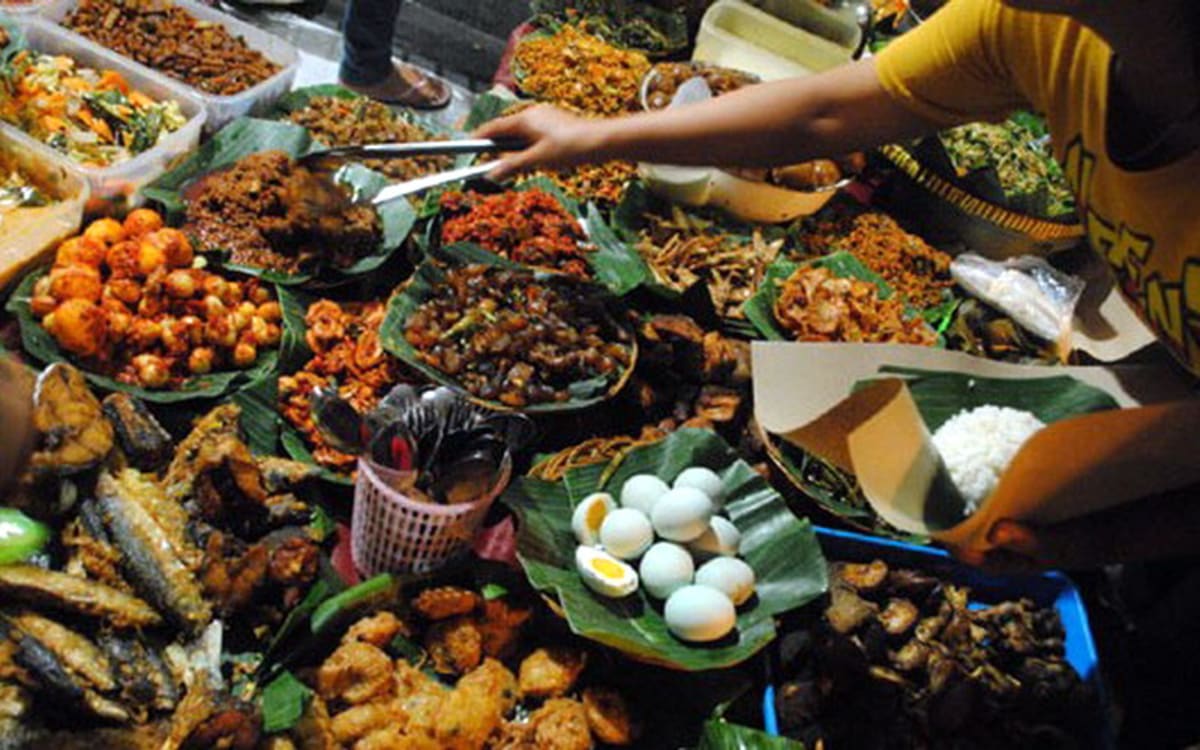
The area around Lenteng Agung in South Jakarta has some of the best and most authentic Betawi warung in the city, serving dishes like soto betawi (a rich coconut milk beef soup), ketoprak (rice cake salad with peanut sauce and tofu), and kerak telor (a savory coconut rice omelet traditionally made on charcoal).
The Warung Hidden in Pasar Minggu
Recommended for Your Trip
Pasar Minggu is a large traditional market in South Jakarta that has a remarkable depth of food options tucked into the inner sections of the market building that most visitors never reach.
Following the market deeper and deeper, you find small warung serving regional Indonesian dishes from Padang, Central Java, East Java, and Sulawesi alongside the Betawi staples.
A full exploration of the food section takes about 90 minutes and costs almost nothing.
Cipete’s Independent Cafe Scene
While Kemang gets the tourist spotlight in South Jakarta, the neighboring Cipete neighborhood has a quieter, more local version of the same artisanal cafe culture.
Several excellent specialty coffee shops operate here with a local-first clientele, lower prices than their Kemang counterparts, and often more interesting design and concept.
Walking Cipete Raya and the streets around it on a weekend morning is one of the most pleasant neighborhood experiences in the city.
Hidden Cultural Experiences
Taman Ismail Marzuki (TIM) Performing Arts Center
Recommended for Your Trip
Taman Ismail Marzuki is Jakarta’s main performing arts complex in the Cikini neighborhood and it operates below the radar of most visitors despite hosting regular theater, music, dance, and film events.
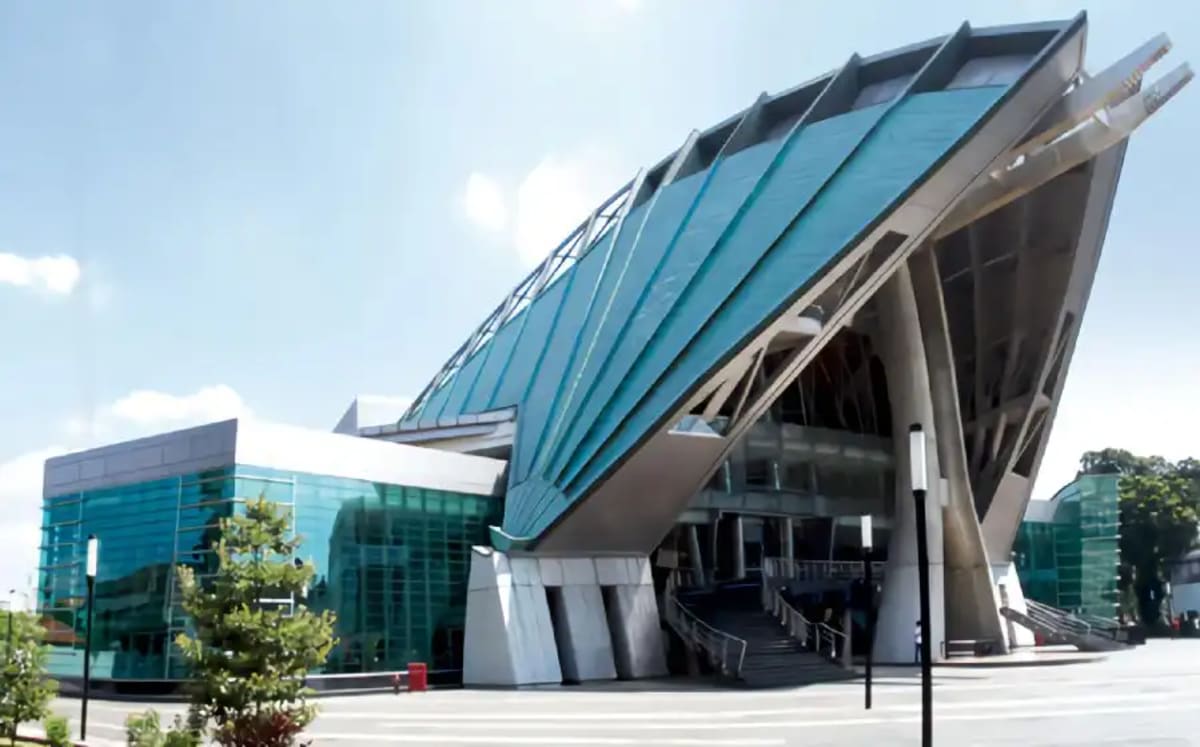
The complex includes a planetarium, several theater spaces, and an art gallery.
Events range from traditional Javanese dance to experimental theater to free outdoor film screenings.
Checking the schedule before your visit almost always reveals something worth attending.
Practical info: Jl. Cikini Raya No.73, Central Jakarta. Schedule and tickets at tiketonline.taman-ismail-marzuki.com.
Galeri Nasional Indonesia
The national art gallery sits just north of Monas and houses an excellent collection of Indonesian fine art, but it is visited by a tiny fraction of the people who visit the monument just down the road.
The collection spans traditional regional art, colonial-era works, and contemporary Indonesian artists, and the rotating temporary exhibitions are often genuinely excellent. Entry is free.
Practical info: Free entry. Open Tuesday to Sunday. Jl. Medan Merdeka Timur No.14, Central Jakarta.
Recommended for Your Trip
Gedung Arsip Nasional (National Archive Building)
The National Archive building in West Jakarta is a remarkable 18th-century colonial mansion surrounded by one of the last intact formal Dutch gardens in the city.
The building was once the private residence of Reinier de Klerk, the Governor-General of the Dutch East Indies, and the interior has been largely preserved.
Free tours of the grounds and building are available on request. It is genuinely one of the most beautiful colonial buildings in Jakarta and almost completely unknown to visitors.
Practical info: Free entry. Jl. Gajah Mada No.111, West Jakarta. Weekdays only.
Hidden Outdoor Spaces
Srengseng Reservoir Park (Situ Babakan)
Situ Babakan in South Jakarta is a lake and park complex that serves as the center of the Betawi cultural village, where traditional Betawi architecture, food, and performances are preserved.

Recommended for Your Trip
It is a genuine community space rather than a tourist attraction, used by local families for weekend picnics, fishing, and leisurely walks around the lake.
The surrounding Betawi food stalls serve excellent traditional dishes.
Tanjung Priok Fish Market at Dawn
The fish market at Tanjung Priok is one of the largest in Jakarta, operating from around 2am to 8am.
The scale and energy of the place at 5am, with hundreds of vendors and buyers moving through the market in the grey pre-dawn light, mountains of fresh seafood from across the Java Sea being sorted and sold, is something you simply cannot see anywhere else in the city.
Conclusion
Jakarta’s hidden gems collectively add up to a richer and more layered understanding of the city than the standard tourist circuit provides.
The city is too large and too diverse to be understood from its main attractions alone.
Digging into the neighborhoods, the specialized museums, the community markets, and the early morning port scenes reveals a Jakarta that most visitors never see and almost everyone who does see it remembers as the best part of their trip.
For the full picture, see our Ultimate Guide to Things To Do in Jakarta


