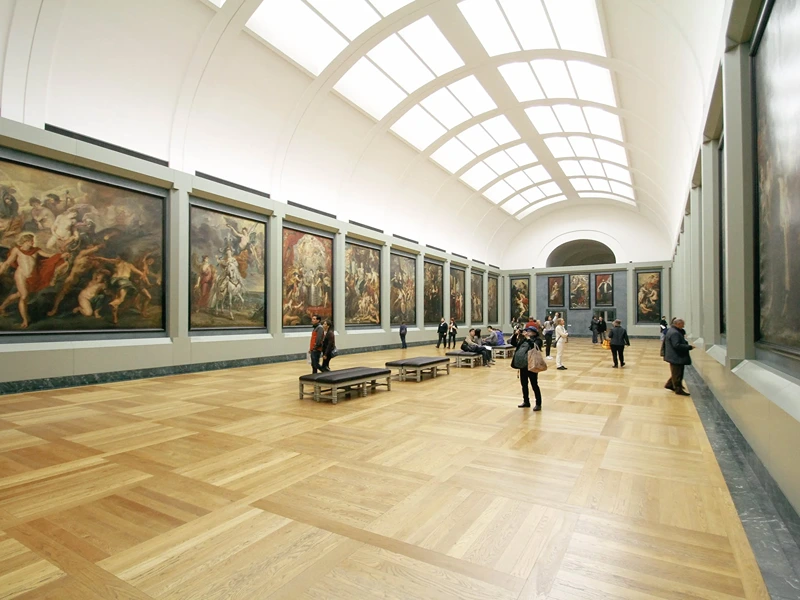

Jakarta is one of the most historically layered cities in Southeast Asia, and that history is on display in a network of museums that ranges from world-class national collections to intimate specialized institutions most tourists have never heard of.
The best museums in Jakarta span Indonesian prehistory, Hindu-Buddhist kingdoms, the Dutch colonial period, independence, and contemporary culture.
This guide covers everything worth visiting across all categories.
National and Major Museums
Recommended for Your Trip
National Museum of Indonesia (Museum Nasional)
The National Museum is the most important museum in Indonesia and one of the finest in Southeast Asia.
Known locally as Museum Gajah after the bronze elephant statue at its entrance, the collection spans prehistoric artifacts and ancient skulls, stunning Hindu-Buddhist bronze statues from the Majapahit and Srivijaya kingdoms.
Thousands of pieces of traditional Indonesian textiles, a complete collection of regional traditional weapons, an extensive ceramics gallery featuring Chinese and Vietnamese export ware, and a gold room displaying royal jewelry and regalia from across the archipelago.
A thorough visit takes at least two to three hours. The labeling is available in both Indonesian and English.
Practical info: Jl. Medan Merdeka Barat No.12, Central Jakarta. Open Tuesday to Sunday, 8am to 4pm. Entrance IDR 5,000 domestic, IDR 15,000 foreign visitors.
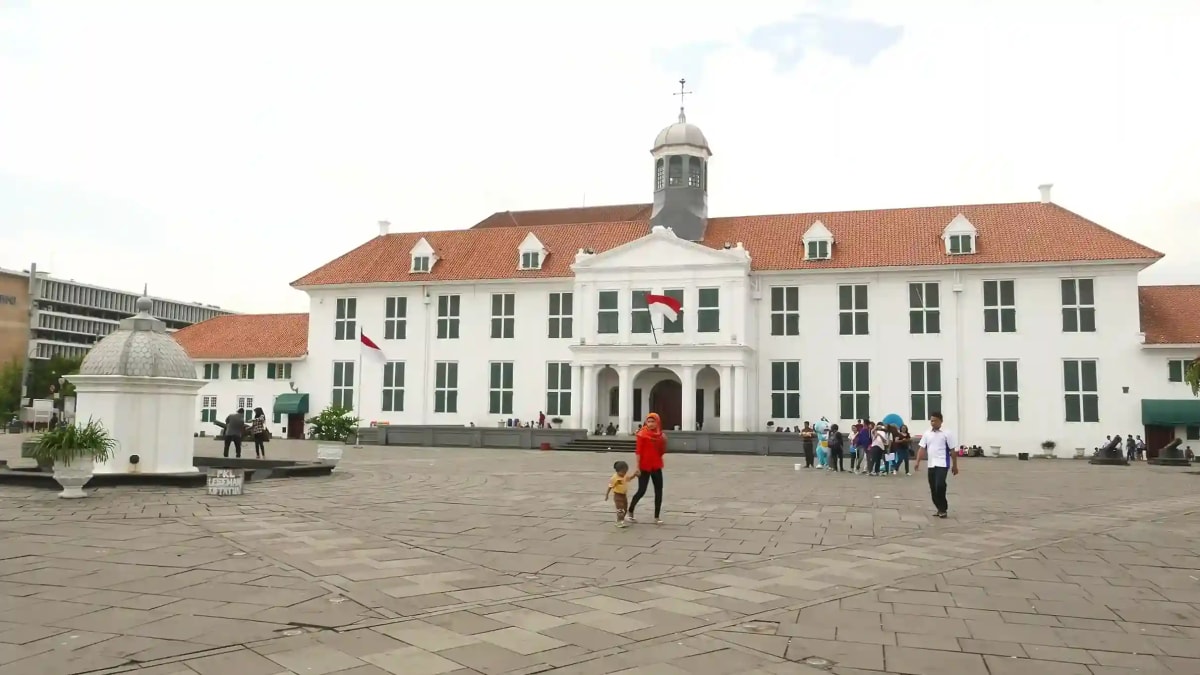
Fatahillah Museum (Jakarta History Museum)
Set inside the original Dutch colonial city hall building of 1710 on Fatahillah Square in Kota Tua.
Recommended for Your Trip
This museum documents the full history of Jakarta from its origins as a Sundanese fishing port through its transformation into Batavia under Dutch rule and its eventual emergence as the capital of an independent Indonesia.
- Book your Jakarta City Tour for More Experiences
The building is as significant as the collection. The basement contains the original prison cells and torture chambers from the Dutch period, which can be toured.
Upper floors display colonial furniture, maps, paintings, and scale city models.
Practical info: Fatahillah Square, Kota Tua. Open Tuesday to Sunday, 9am to 3pm. Entrance IDR 5,000.
Monas National History Museum
The underground National History Museum inside the base of the National Monument features 48 dioramas depicting key events in Indonesian history, from prehistoric life through the Hindu-Buddhist kingdoms, the arrival of Islam, the Dutch colonial period, the Japanese occupation, the independence struggle, and the establishment of the modern republic.
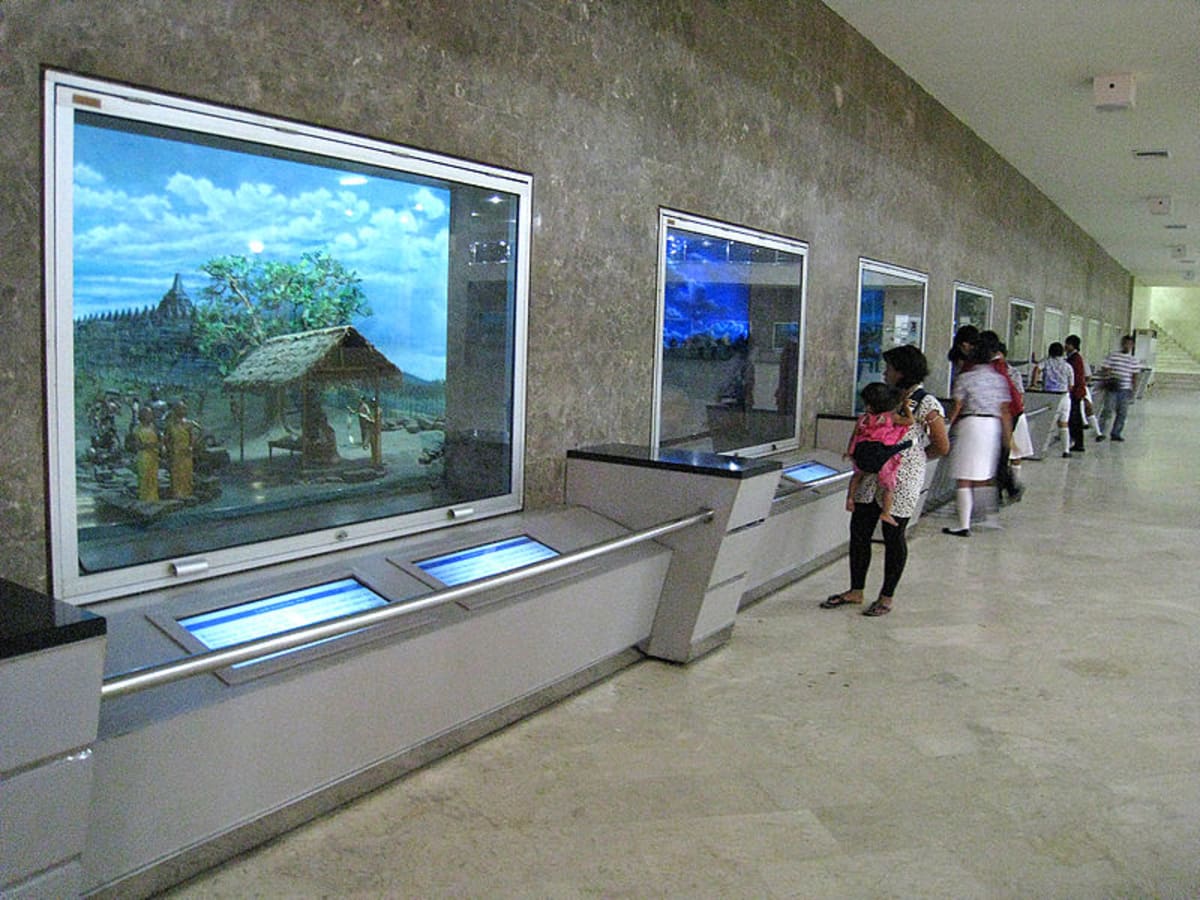
The dioramas are detailed and well-executed, and for a first-time visitor to Indonesia they provide essential context for everything else you see in the country.
Practical info: Inside the Monas monument at Merdeka Square. Open Tuesday to Sunday. Entrance IDR 20,000 for the tower and museum combined.
Recommended for Your Trip
Specialized and Hidden-Gem Museums
Museum Bank Indonesia
One of the most beautiful and undervisited museums in Jakarta, Museum Bank Indonesia occupies a neo-Renaissance colonial building just west of Fatahillah Square.
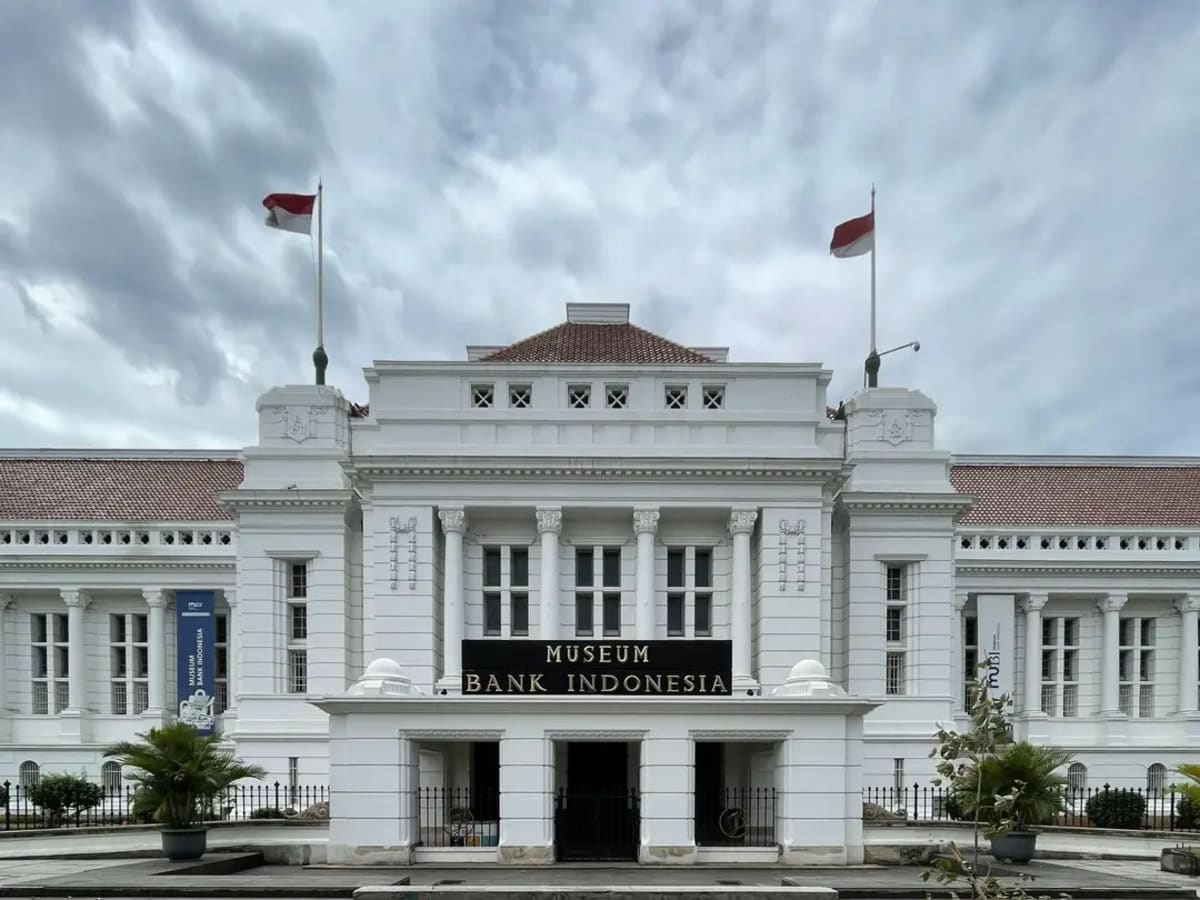
The exhibitions trace Indonesia’s monetary history from traditional barter systems through the introduction of money by Hindu-Buddhist kingdoms, the Dutch guilder, the Japanese military currency, and the development of the modern Rupiah.
The scale model of early Batavia is one of the highlights, and the restored colonial banking halls and vault rooms are architecturally stunning. Entry is free.
Practical info: Jl. Pintu Besar Selatan No.83, Kota Tua. Free entry. Open Tuesday to Friday, 8am to 3:30pm.
Museum Tekstil (Textile Museum)
The Textile Museum in West Jakarta houses one of the most important collections of traditional Indonesian textiles in existence, with a particular focus on batik.
Recommended for Your Trip
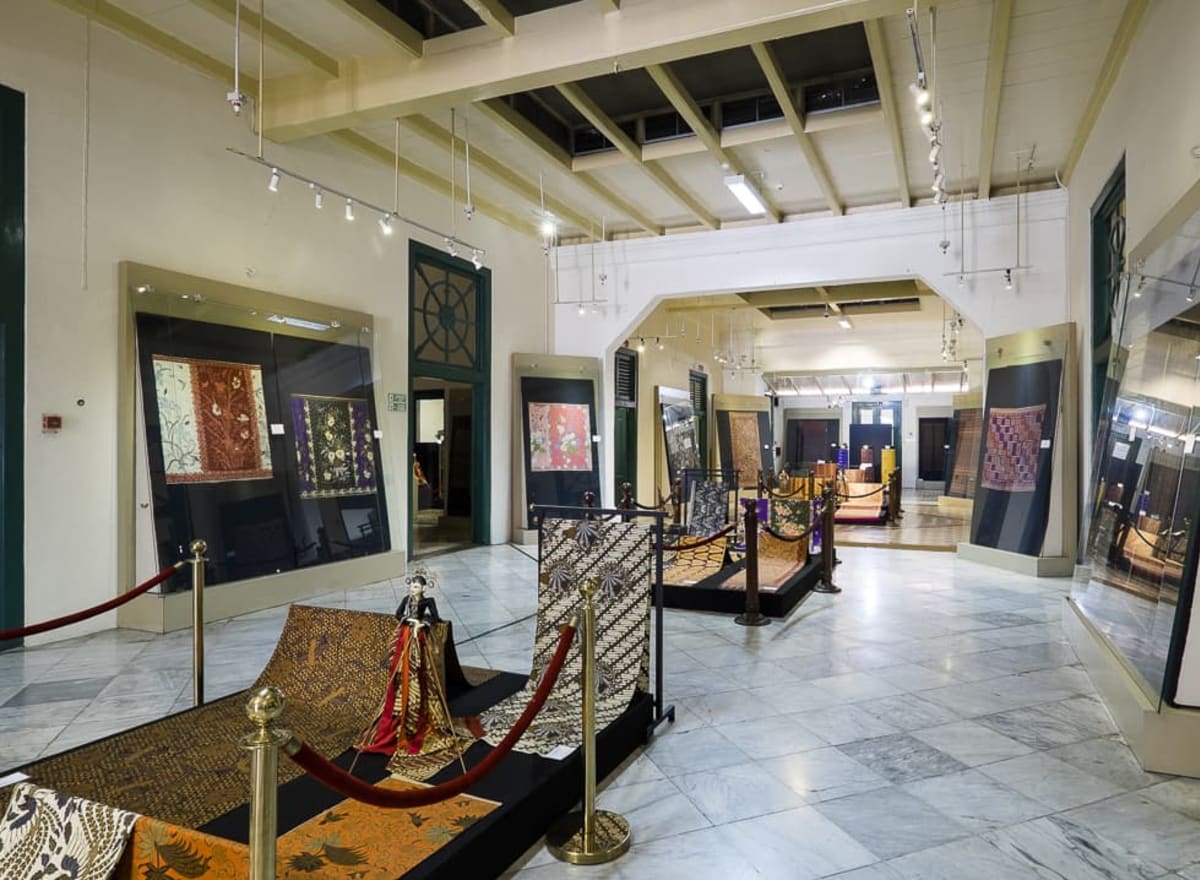
The collection includes pieces dating back to the 18th century from virtually every region of the archipelago, demonstrating the extraordinary variety of weaving, dyeing, and patterning traditions across the country.
The building is a preserved Dutch colonial villa with a pleasant garden. There is also a batik workshop on the premises where you can try the craft.
An absolute must for anyone with an interest in design, craft, or Indonesian culture.
Practical info: Jl. Aipda K.S. Tubun No.4, West Jakarta. Open Tuesday to Sunday, 9am to 3pm. Entrance IDR 5,000.
Museum Seni Rupa dan Keramik (Fine Arts and Ceramics Museum)
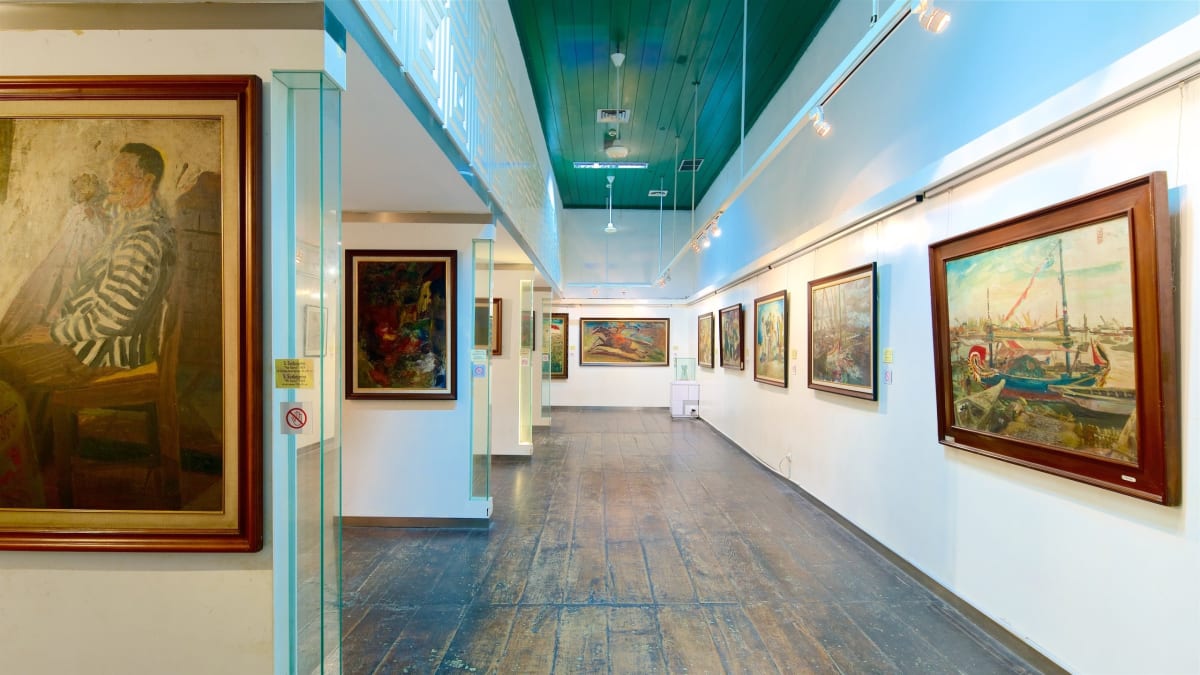
Housed in an 1870 Dutch neo-classical courthouse on Fatahillah Square, this museum combines a fine arts collection covering Indonesian painting and sculpture from the colonial period through the 1990s with an extensive ceramics collection featuring Chinese, Vietnamese, Thai, and European porcelain that passed through the port of Batavia.
The building is beautiful and the combination of visual art and ceramics makes for an interesting two hours. Almost entirely ignored by the tourists walking the square outside.
Recommended for Your Trip
Practical info: Fatahillah Square, Kota Tua. Open Tuesday to Sunday, 9am to 3pm. Entrance IDR 5,000.
Museum Wayang (Puppet Museum)
The Wayang Museum on Fatahillah Square houses the largest collection of traditional Indonesian shadow puppets (wayang) and theater puppets in the world.
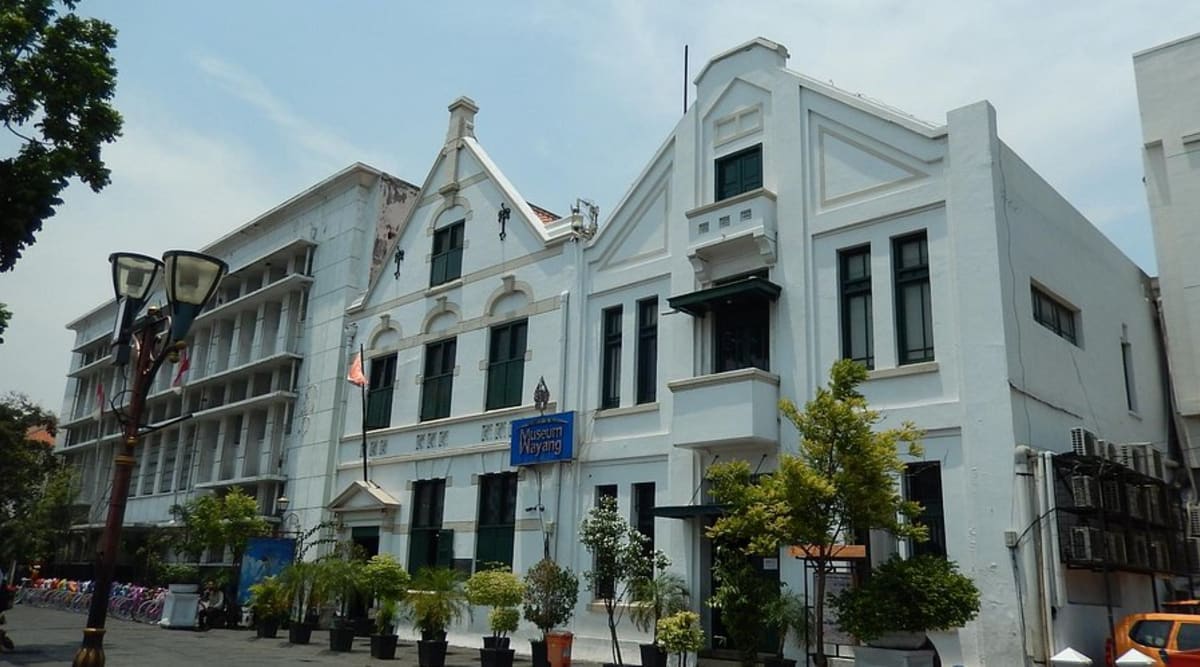
The collection includes wayang kulit (leather puppets), wayang golek (three-dimensional wooden puppets), and puppets from other Asian traditions including China, India, and Malaysia.
The museum provides excellent context for understanding the wayang kulit performances that are Jakarta’s most distinctive traditional cultural experience. Regular demonstrations are held on weekends.
Practical info: Fatahillah Square, Kota Tua. Open Tuesday to Sunday, 9am to 3pm. Entrance IDR 5,000.
Museum Bahari (Maritime Museum)
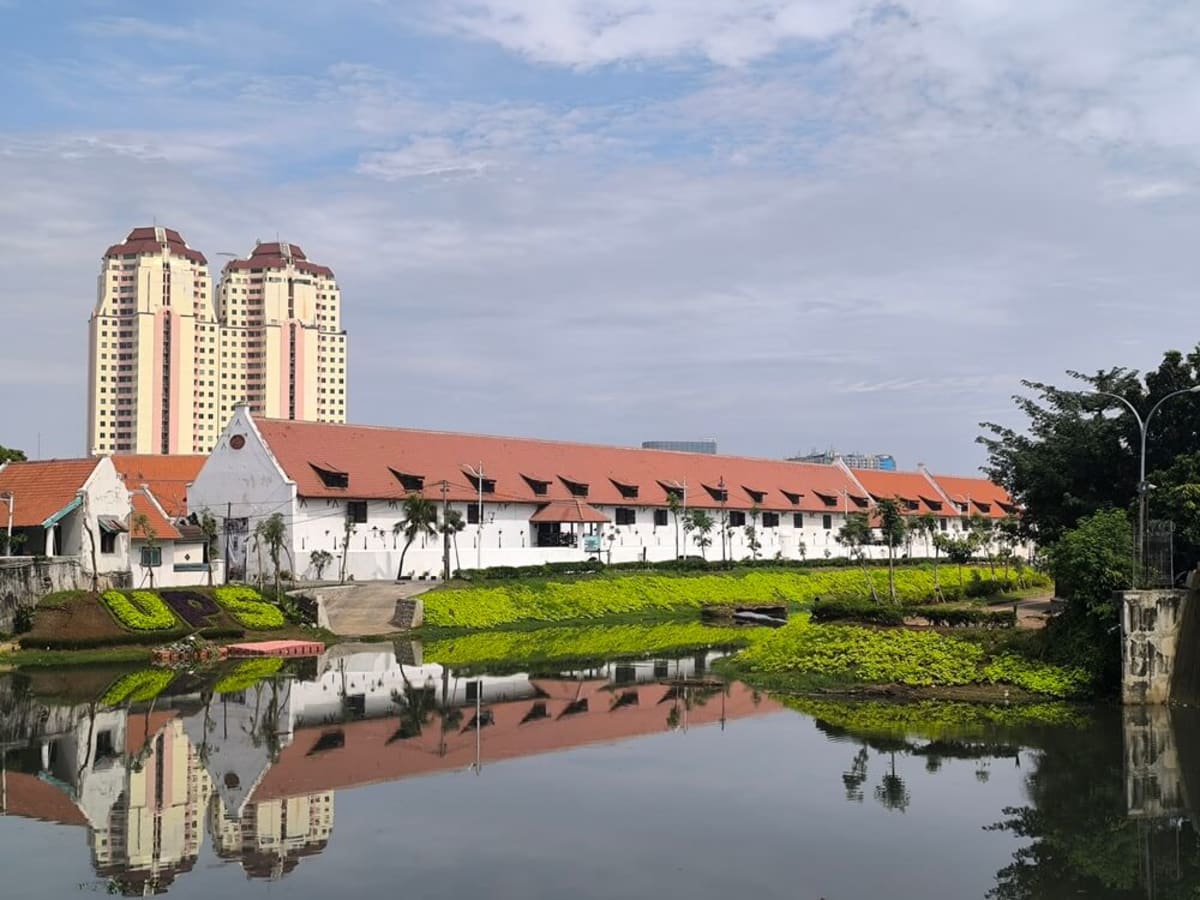
Housed in Dutch-era spice warehouses dating to the late 17th century at the old port of Sunda Kelapa, Museum Bahari focuses on Indonesia’s maritime history and the central role the sea has played in connecting the archipelago’s thousands of islands.
Recommended for Your Trip
The collection includes traditional boats from across Indonesia, historical navigation instruments, maps, and exhibits on the spice trade that made Batavia wealthy.
After the museum, the adjacent Sunda Kelapa port with its Pinisi schooners is free to explore.
Practical info: Jl. Pasar Ikan No.1, North Jakarta. Open Tuesday to Sunday, 9am to 3pm. Entrance IDR 5,000.
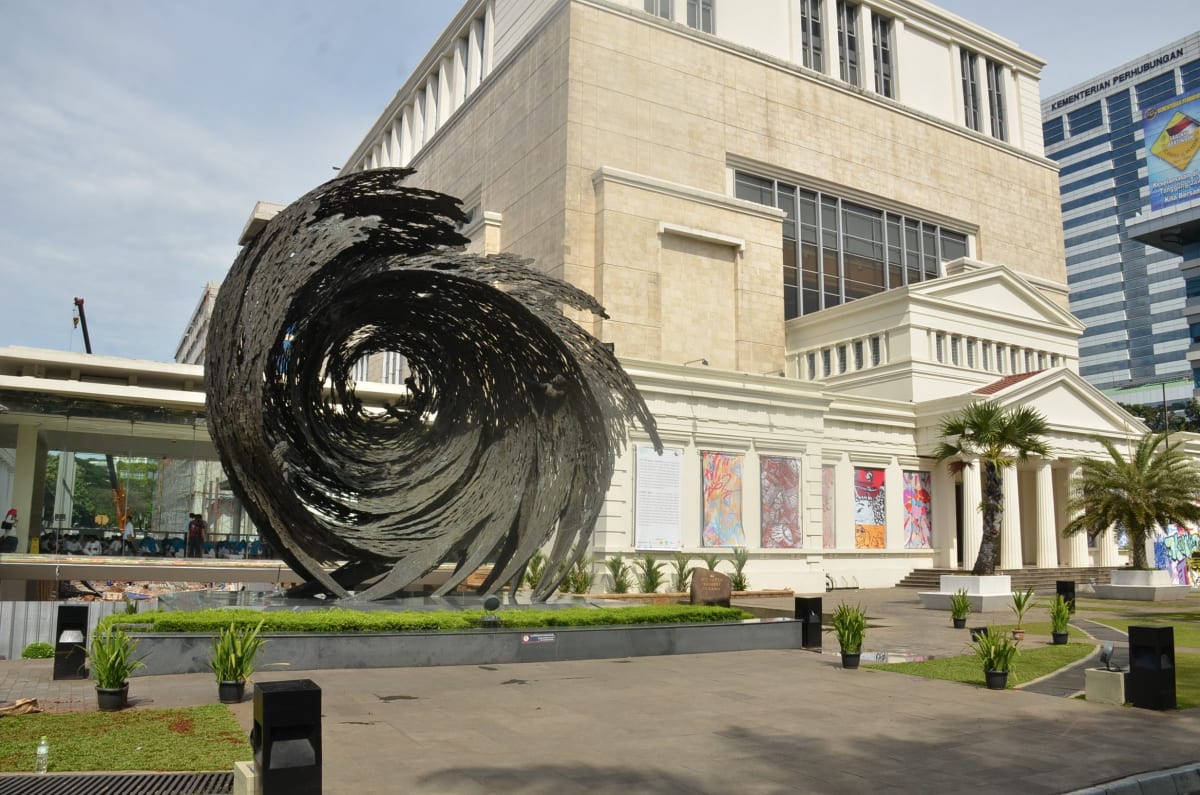
Galeri Nasional Indonesia (National Gallery)
The national gallery just north of Monas holds an excellent collection of Indonesian fine art across traditional, colonial, and contemporary periods, plus rotating temporary exhibitions that are often genuinely strong.
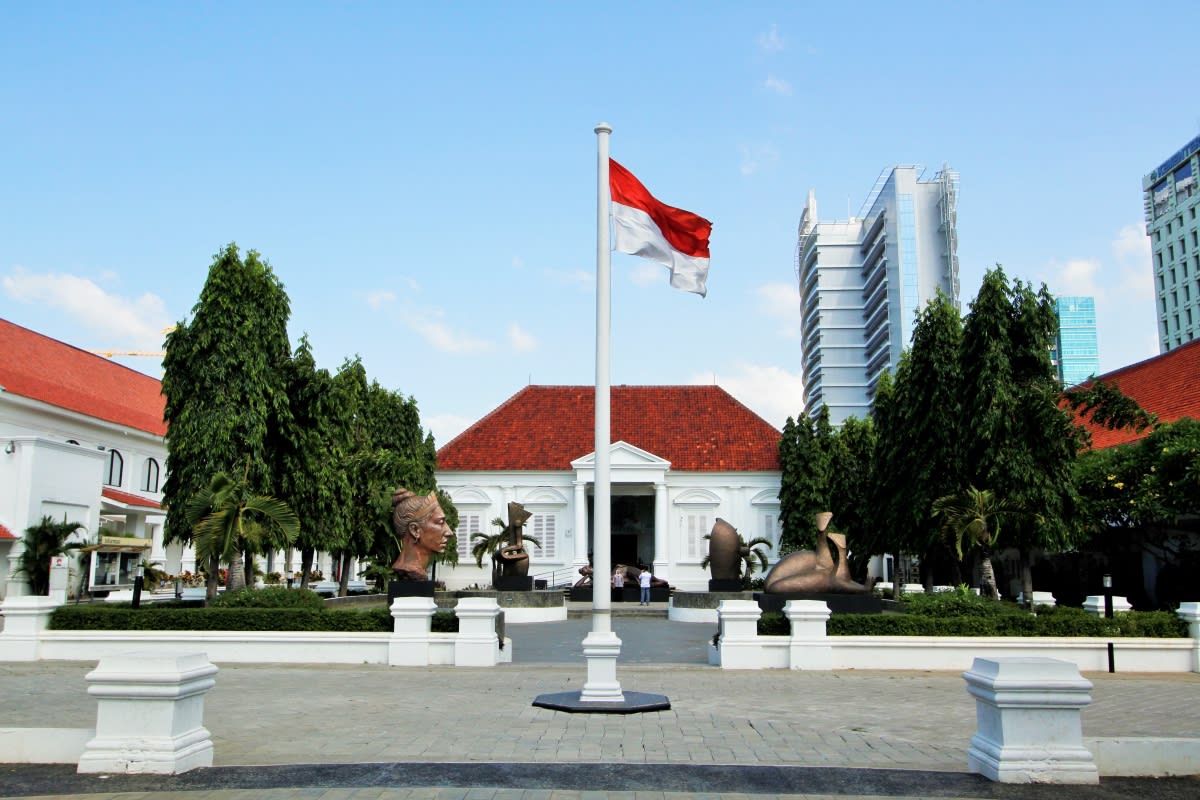
It is free to enter, well-maintained, and almost always quiet.
The contrast between the crowds at Monas a few hundred meters away and the near-emptiness of this gallery is striking.
Practical info: Jl. Medan Merdeka Timur No.14, Central Jakarta. Free entry. Open Tuesday to Sunday.
Museums Outside Central Jakarta
Recommended for Your Trip
Museum IPTEK (Science and Technology)
Located inside Taman Mini Indonesia Indah in East Jakarta, the Science and Technology Center (PP-IPTEK) is the best interactive science museum in the city.
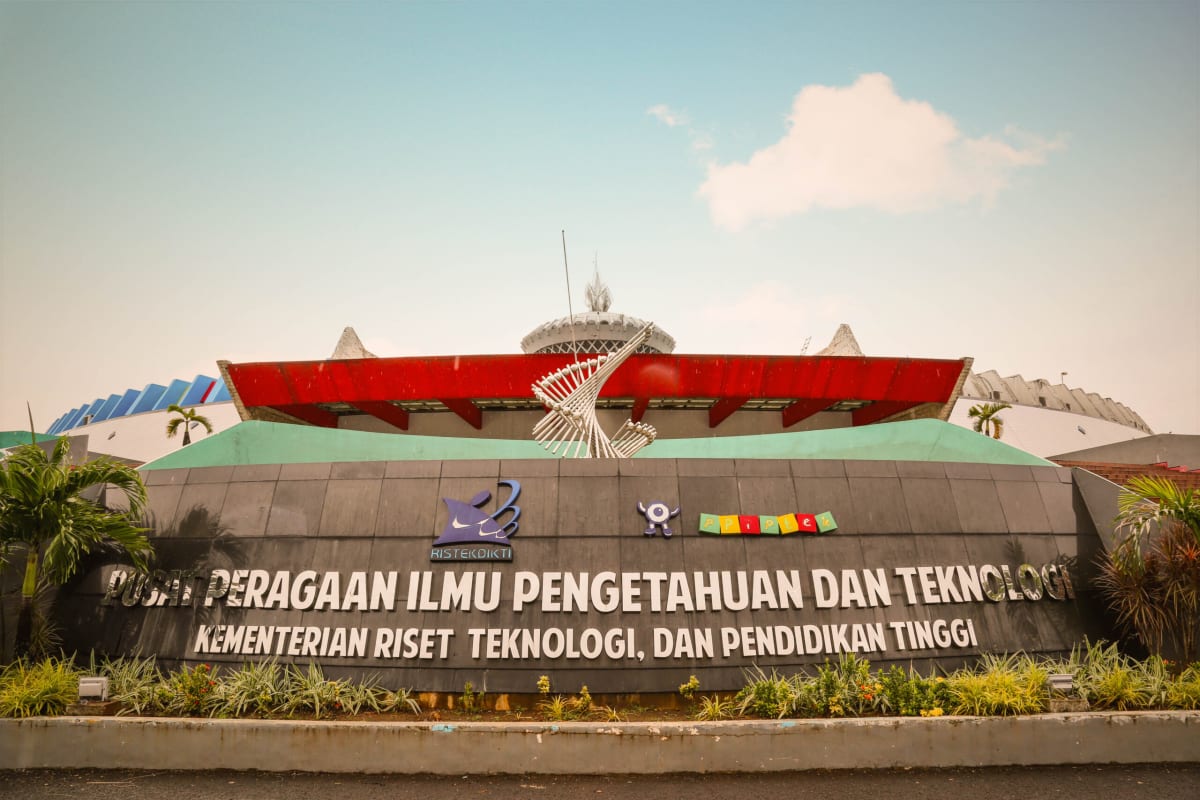
The exhibits are hands-on and well-designed for all ages, covering physics, biology, engineering, and environmental science. It works particularly well as part of a full day at Taman Mini.
Practical info: Inside Taman Mini Indonesia Indah, East Jakarta. IDR 12,000 on top of Taman Mini entrance.
Museum Keprajuritan (Military and Weapons Museum at Taman Mini)
Also inside Taman Mini, this museum covers Indonesia’s military history from traditional warfare through the independence revolution to modern armed forces.
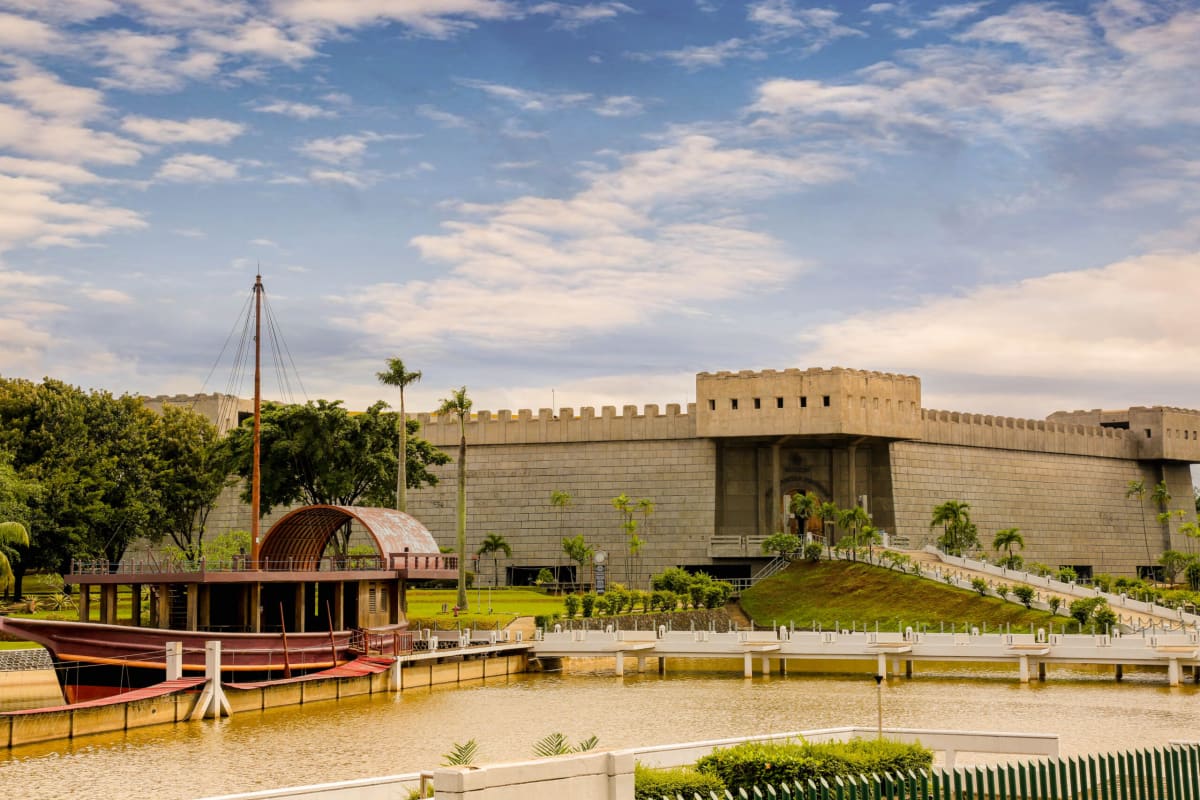
The collection of traditional weapons from across the archipelago is particularly impressive and complements what you see at the National Museum.
Recommended for Your Trip
Practical Tips for Visiting Jakarta Museums
Timing: Most museums open Tuesday to Sunday and are closed Monday. Opening hours are typically 9am to 3pm. Arrive early as some close their ticket desks 30 minutes before closing.
Admission: Jakarta’s museums are remarkably affordable. Most charge IDR 5,000 to IDR 20,000 (roughly USD 0.30 to USD 1.30). Budget a total of IDR 50,000 to IDR 100,000 for a full day visiting multiple museums.
Combination days: The most efficient approach is grouping museums by location. Spend a full morning in Kota Tua covering the Fatahillah Museum, Wayang Museum, Fine Arts Museum, Bank Indonesia Museum, and Maritime Museum, then spend a separate day at the National Museum and National Gallery in Central Jakarta.
Photography: Photography is permitted in most Jakarta museums without flash. Some rooms with particularly sensitive textiles or artifacts may restrict this.
Conclusion
Jakarta’s museum scene is richer and more varied than its reputation suggests, and the best museums in Jakarta cost almost nothing to enter.
From the world-class national collection at Museum Nasional to the hidden architectural gem of Museum Bank Indonesia and the extraordinary batik collection at Museum Tekstil, there is easily a full week of museum visits available for curious visitors.
Start with the National Museum for context, then work through Kota Tua’s cluster of specialized institutions, and you will leave Jakarta with a genuinely deep understanding of one of the world’s most complex and layered civilizations.
See our Ultimate Guide to Things To Do in Jakarta for the full picture of what Jakarta offers.


